Apple’s Q4 Snapshot: Growth Across Key Segments
In the fiscal quarter ending September 27, 2025, Apple reported $102.5 billion in total revenue, representing an 8% increase year-over-year, according to Mobile World Live. This growth was fueled by both product and service categories, with particularly strong performance in:
- iPhone: $49 billion (up from $46.2 billion last year), largely driven by early sales of the iPhone 17 lineup and continued interest in iPhone 16.
- Services: $28.8 billion — the highest services revenue in Apple’s history.
- Mac: $8.7 billion, up from $7.7 billion last year.
- iPad: Flat at $6.9 billion.
- Wearables: $9 billion, slightly down year-over-year.
Apple also reported net income of $27.4 billion, nearly doubling last year’s $14.7 billion, which had been affected by a one-time charge.

Services: A Record-Breaking Growth Engine
The standout figure in Apple’s report is the $28.8 billion in services revenue, which now represents over 28% of total quarterly revenue. This category includes:
- App Store and licensing fees
- AppleCare
- iCloud and storage services
- Subscription content (Apple Music, TV+, News+, etc.)
- Enterprise software and business services
According to industry analyst Paolo Pescatore (PP Foresight), the services unit is “a key engine for future growth” because it brings recurring revenue, rather than one-time income.
This strategic diversification helps Apple maintain momentum even in quarters where hardware supply is constrained — such as recent supply issues affecting some iPhone 16 and iPhone 17 models, as noted by CEO Tim Cook.
China and Other Market Dynamics
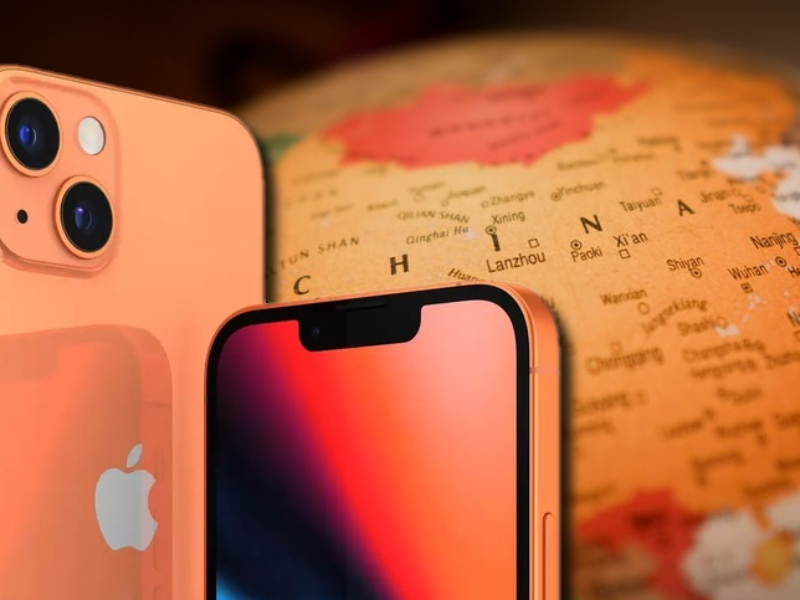
Not all regional results were positive. In Greater China, Apple reported $14.4 billion in revenue, down from $15 billion a year earlier and below analyst expectations of $16.4 billion. Despite this, Cook emphasized the strong reception of the iPhone 17 lineup in China and forecasted a return to growth in the coming quarter.
Looking ahead, CFO Kevan Parekh projected 10–12% revenue growth for the upcoming holiday quarter — with double-digit iPhone sales growth expected. Apple is also increasing its investments in AI and its product roadmap, with projected operating expenses between $18.1 and $18.5 billion for Q1 FY2026.
Implications for the Industrial Sector
While Apple operates in a very different market, its Q4 results highlight trends that are directly relevant to industrial automation and manufacturing:
1. Recurring Revenue Models Are Gaining Ground
Apple’s record services revenue reinforces the viability of recurring income streams. Industrial firms — especially those in automation — can apply this approach through offerings like:
- Predictive maintenance-as-a-service
- Cloud-based analytics platforms
- Remote monitoring subscriptions
- Software update plans
2. Product-Centric Businesses Must Evolve
Despite strong iPhone sales, Apple’s long-term strategy is clearly moving beyond physical devices. Manufacturers and industrial tech providers can draw a parallel: long-term value increasingly comes from digital and service-based solutions, not just hardware.
3. Stability Through Diversification
Just as Apple buffered its quarter through strong service performance despite regional dips and supply constraints, industrial companies can increase business resilience by offering solutions that generate continuous value beyond initial capital sales.
Industrial Examples of Services-Based Growth
Many manufacturers and OEMs are already adapting similar strategies by:
- Retrofitting legacy equipment with IoT capabilities and offering real-time dashboards
- Providing maintenance contracts bundled with analytics
- Offering training-as-a-service for operators using new systems
- Charging for access to digital twins or system simulations used in design and operation
These services don’t replace traditional equipment — they enhance and extend its value while creating ongoing engagement.
Closing Insight
Apple’s Q4 report doesn’t just represent a strong quarter — it reflects a broader shift in how companies create value. The combination of product strength and service growth positions Apple for long-term resilience.
For industrial firms undergoing digital transformation, this is a useful signal: blending hardware with connected services and recurring revenue models isn’t just smart — it’s becoming standard.